Conference Agenda
The WRRI Annual Conference brings together practitioners, researchers, students, and decision-makers from across North Carolina to explore pressing water resource challenges and innovative solutions. This year’s agenda highlights flooding and resilience on Day 1 with perspectives from Stuart Brown, Katherine Anarde, and Brett Hartis, and explores the power of creative engagement on Day 2 through “Art Moves,” featuring Kelly Pajek, Tiffany Baker, and Erin Boyd. Together, these sessions connect science, policy, practice, and art to strengthen communities and advance the study, protection, and management of water resources.
Plenary Speakers
Day 1: Flooding in Focus: Navigating the Complexities of Planning, Recovery, and Resiliency
Flooding in Focus highlights the complexity of flooding in North Carolina from major storms to chronic coastal flooding. Presenters will discuss efforts, across the state, to address these challenges. The session includes examples and on-the-ground experiences and will discuss the kind of work required to plan and develop strong mitigation strategies.
Brett Hartis
Brett Hartis is the Lead Hydro Licensing Project Manager for Duke Energy’s Water Strategy and Hydro Licensing Team, based in Charlotte, North Carolina. In this role, he oversees Federal Energy Regulatory Commission (FERC) licensing of Duke Energy’s hydroelectric assets, and works at the intersection of energy, natural resources, and environmental stewardship. Hartis has expertise in bringing practical, science-based solutions to complex, stakeholder-driven challenges—balancing technical requirements with the diverse needs and perspectives of communities, agencies, and various other user groups.
Throughout his career, Brett has been an active voice in the natural and aquatic resources communities. He has served in leadership roles with the Aquatic Plant Management Society—including as President—and served in advisory roles for various other organizations including the North American Lake Management Society, National Hydropower Association, National Habitat Conservation Planning Coalition, and North American Invasive Species Management Association.
Katherine Anarde
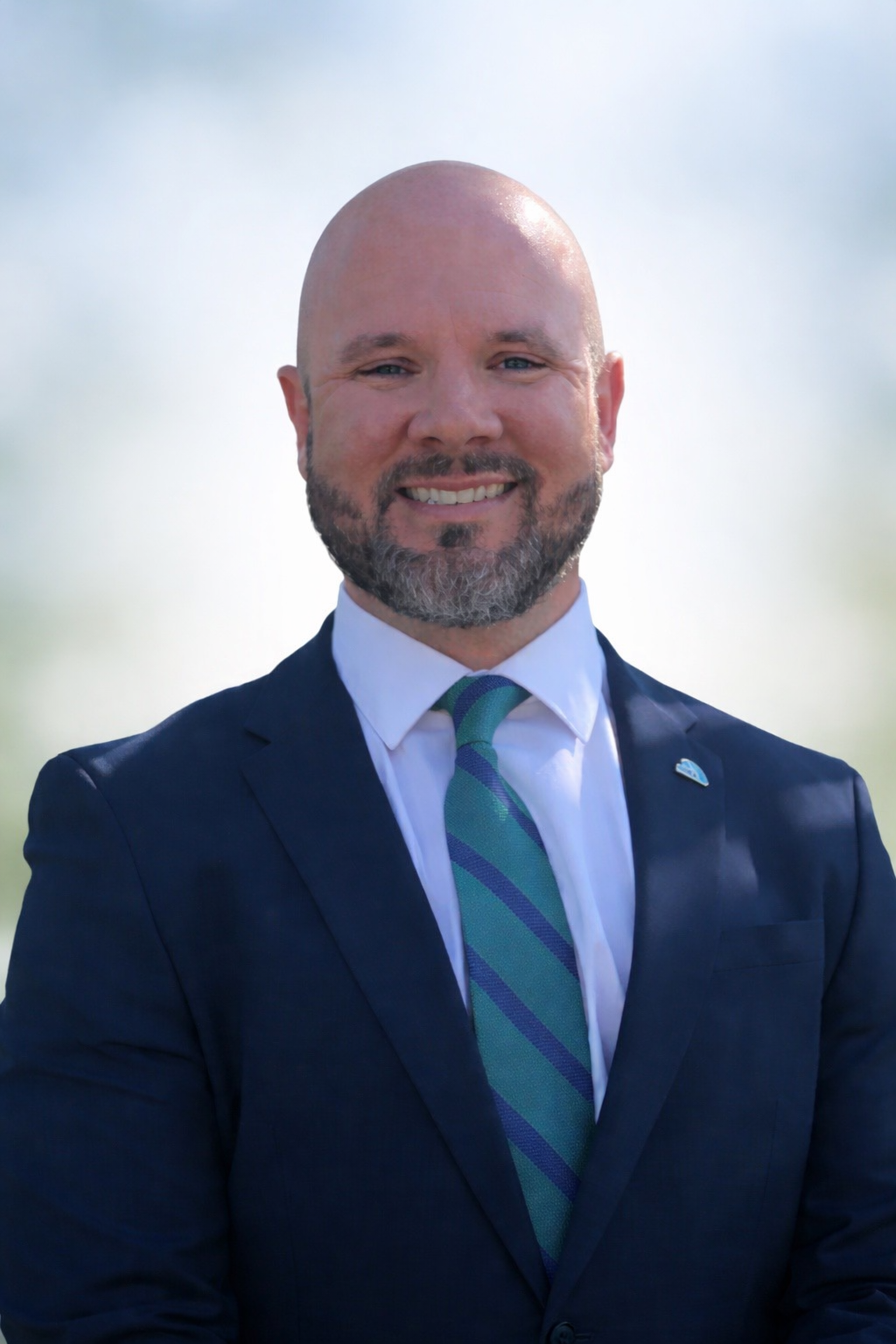
Dr. Katherine Anarde is an Assistant Professor in the Department of Civil, Construction, and Environmental Engineering at NC State University. She is a coastal engineer and geomorphologist. Her research is largely interdisciplinary and focuses on the long-term habitability of coastal communities. This body of work encompasses projects investigating threats to roadways and the people that depend on them, including chronic flooding from higher sea levels, storms, shoreline erosion, and barrier island change.

Stuart Brown
Stuart Brown is the Flood Resiliency Blueprint Program Manager at the North Carolina Department of Environmental Quality. Previously, he served as Assistant Administrator for Planning and Research at the Louisiana Coastal Protection and Restoration Authority (CPRA), where he led the Strategic Planning Branch and oversaw the development of the Louisiana Coastal Master Plan, as well as CPRA’s research initiatives. During his tenure at CPRA, Brown also worked on the Governor’s Adaptive Governance Initiative, assisting fellow state agencies with data-driven, long-term resilience planning.

Day 2: Art Moves: Connecting Communities to Their Water Resources
Art Moves focuses on the ways art can be used to educate and raise awareness about water resources in our communities. Panelists will reflect on their experiences at the intersection of water resources, art, and community engagement.
Kelly Pajek
Kelly Pajek is the Director of 4Culture Public Art in King County, Washington bringing over 25 years of public art experience to high profile, large scale permanent and temporary art projects throughout the United States. Kelly has made a mark on the programs she has been part of – from New York City Metropolitan Transportation Authority Arts & Design, New York City Department of Cultural Affairs Percent for Art, Fort Worth Public Art in Texas, Seattle Office of Arts & Culture and currently 4Culture.
At 4Culture Kelly collaborates with a dynamic nine-person Public Art Advisory Committee and dedicated eight-person public art team to cultivate unique art experiences with partners throughout King County such as Facilities, Metro Transit, Natural Resources and Parks, Wastewater Treatment and Harborview Medical Center. Pajek’s current focus are multi-tiered art plans tied to large regional bond initiatives. She is responsible for the County’s yearly 1% for Art plan. Recent accomplishments include the precedent setting designation of Robert Morris’ Untitled Earthwork (Johnson Pit #30) in the Washington Heritage Register and inclusion on the National Register of Historic Places. Pajek also cultivates relationships with private developers and public agencies on consulting projects throughout the region. She believes in the power and personality artists bring to daily life and their ability to impact civic landscapes in a dynamic way.

Tiffany Baker
Tiffany Baker (she/her) is a Chicago-born, Brooklyn-based visual artist and the creator of The Dear Neighbor Project, a multi-site public art initiative that turns the voices of Gowanus residents into large-scale murals, reflecting lived experiences of flooding in the neighborhood. Visit dearneighborproject.com to hear the stories, and see the visuals and learn more.
Bakers’s walkable art installation, The Reflective History, honors the historic first Black subdivision in Raleigh, NC, Rochester Heights. The commission is made possible by The Conservation Fund’s Parks with Purpose. Working with fused glass, she created three portraits commemorating foundational members of the Rochester Heights community.

Erin Boyd
Boyd is a conservation and efficiency analyst for the Department of Water Management with the City of Durham with 10 years of experience in environmental management and education. Known for creative science programming, she has developed virtual tours and innovative resources for educators. She recently partnered with Durham’s Cultural and Public Art Program and local artists to bring art to the community and highlight the value of water infrastructure. Her passion for science communication and water resources drives her work with the City of Durham. Erin graduated from University of North Carolina at Chapel Hill with a bachelor’s degree in biology and earned her master’s degree in environmental science from the University of North Carolina at Wilmington.